


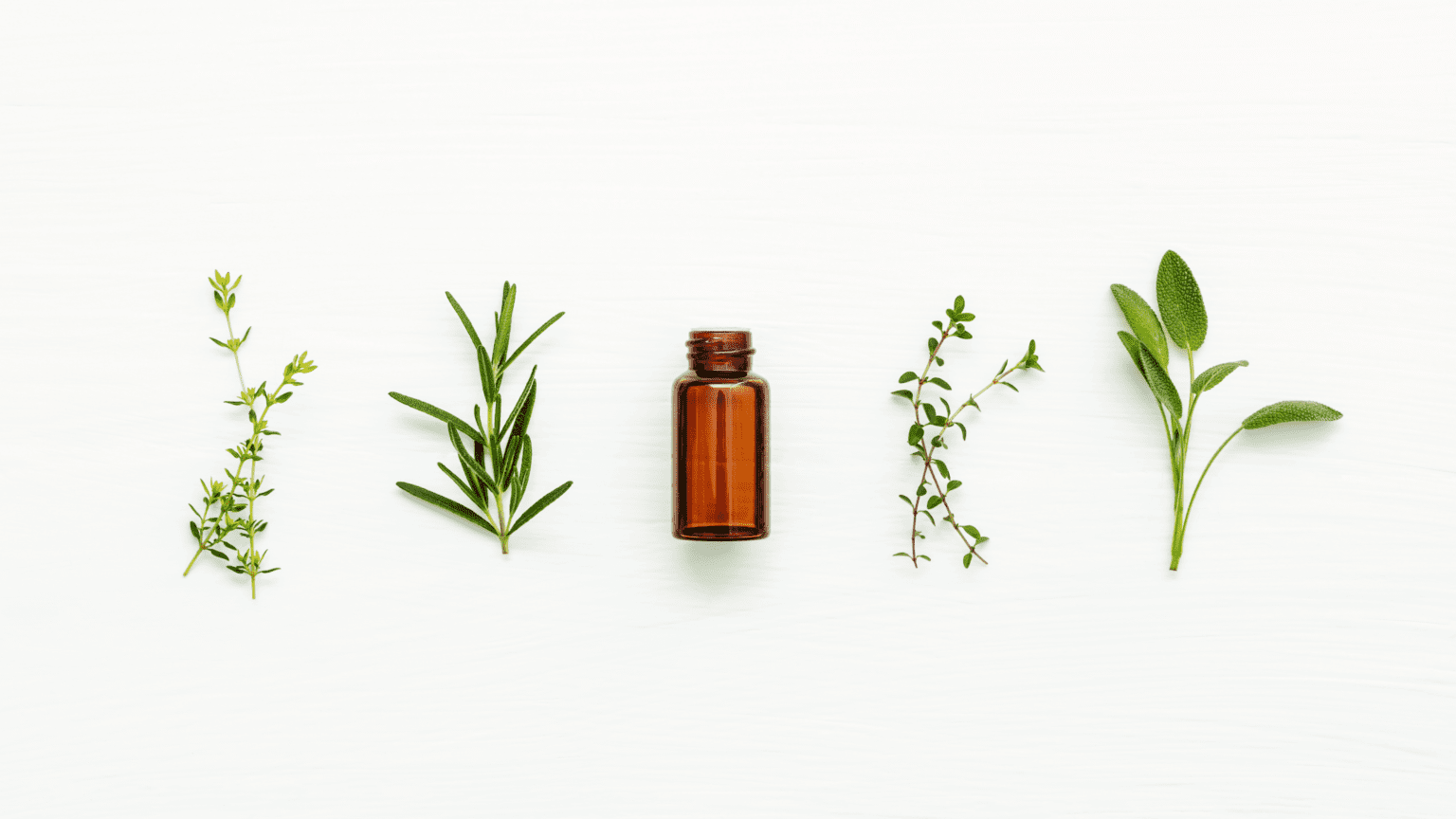
Going the natural route for menopause symptom relief often leads women to herbal supplements. But with so many options promising to balance hormones, boost mood, and ease hot flashes, how can you know what really works?
Let’s examine the medicinal herbs with the most scientific backing to guide your choices – focusing on safe, non-hormonal remedies to get you through menopause comfortably. And remember to discuss with your doctor before taking any botanical supplements, especially if taking other medications.
Black Cohosh: For Hot Flashes and Night Sweats
Of all the go-to botanicals for menopause, black cohosh has the most robust research supporting its use for hot flash/night sweat relief. Multiple studies confirm it performs as well as low-dose estrogen with fewer risks.
The herb acts like estrogen in some tissues but doesn’t impact circulating hormone levels.
- Start with 40–80 mg per day.
- Side effects are rare but may include stomach upset or headache
- Avoid long-term use
Chasteberry: For Irregular Periods and PMS
Chasteberry (vitex) balances reproductive hormones involved in menstrual cycle regulation. For perimenopausal women, it could ease PMS, breast tenderness, irregular periods, and mood swings. It may also help manage polycystic ovary syndrome (PCOS).
- Don’t use chasteberry with fertility treatments or hormones
- Standard doses are 175-225 mg daily
Red Clover: For Hot Flashes, Emotional Health
Extracts from red clover contain isoflavones – plant compounds with estrogenic activity that may minimize hot flashes and boost mood. However, studies are mixed. Doses around 80-160 mg appear most effective.
Due to hormone-like effects avoid red clover with a history of breast/uterine cancer, endometriosis, or blood clotting issues.
Kava Kava: For Anxiety Relief
The root of this South Pacific plant is valued for its ability to promote calm and ease anxiety. Kavalactones in kava interact with GABA receptors involved in relaxation.
For anxiety relief, doses of 50-70 mg kavalactones are commonly used daily. Don’t take kava with alcohol, sedatives, or medications that affect the liver.
St. John’s Wort: For Emotional Health
This flowering herb contains chemicals that increase serotonin and dopamine activity in the brain to elevate mood and emotional outlook. St. John’s wort may help relieve depression, anxiety, and sleep troubles.
Daily doses range from 500-1,200 mg.
- Don’t combine with antidepressants, as it could lead to serotonin syndrome
- Avoid high doses
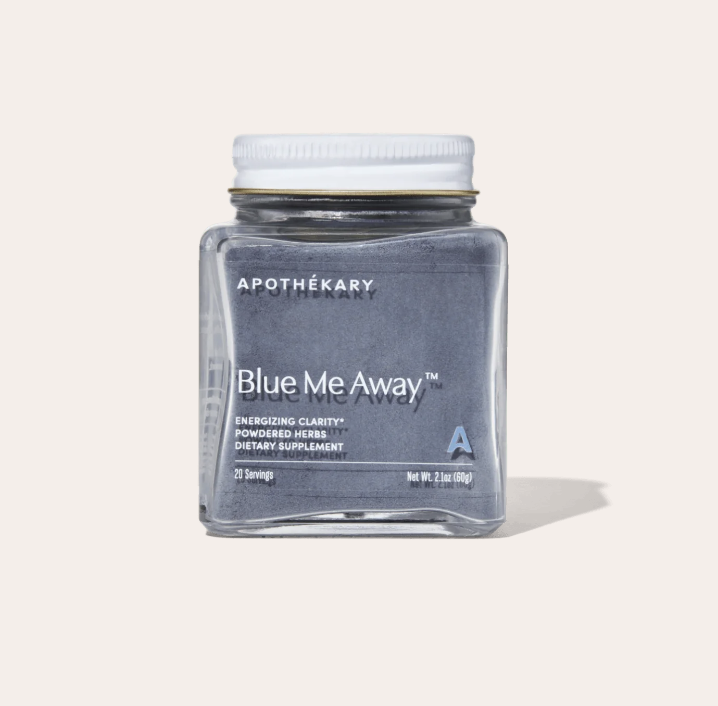
Blue Me Away
This brilliant blue herbal formula is a zero-caffeine energy booster that supports the body’s natural immunity while helping to regulate stress response
While no herbal remedy is a magic cure-all, black cohosh, chasteberry, red clover, kava, and St. John’s wort show the most promise for safely easing top menopausal complaints. Always inform your doctor about any botanical supplements, especially if taking other medications. Remember to follow dosing guidelines carefully. While herbal therapies shouldn’t replace medical treatment, they may complement prescriptions or lifestyle approaches to help you thrive during the menopausal transition.