


If you’re like many people, you may find yourself confused when it comes to identifying your skin type. With terms like “oily,” “combination,” and “sensitive” being thrown around, it can be difficult to know which category you fall into. In this article, we’ll break down the different skin types and provide expert advice on how to care for each one.
Dermatologists agree that understanding your skin type is crucial for developing an effective skincare routine. Factors like age, hormones, and environmental triggers can all impact your skin, so it’s important to know what you’re working with. Whether you have oily, dry, combination, sensitive, or acne-prone skin, we’ve got you covered with tips and product recommendations to help keep your complexion looking its best.
Oily Skin
If you have oily skin, you may experience blackheads, shiny skin, and large pores. The overproduction of sebum, a natural oil produced by the skin, is the main culprit behind oily skin. To combat this, it is recommended to use retinoids, which can reduce oil production and fight acne. However, retinoids can also dry out the skin, so it’s important to use a good moisturizer. Avoid heavy moisturizers containing paraffin, petroleum jelly, and beeswax, as they can exacerbate oily skin.
Dry Skin
Dry skin can be uncomfortable and unsightly, but there are ways to treat it. When estrogen levels drop, the skin produces less oil, which can lead to dryness. Dry skin can also be caused by environmental factors such as long, hot showers and harsh soaps. To combat dry skin, it is important to restore the skin barrier, the outermost layer of skin. This can be achieved by using products that contain hydrating ingredients such as hyaluronic acid, shea butter, and ceramides. These ingredients work to keep the barrier strong and moist, which helps the skin retain moisture.
To prevent further dryness, it is important to avoid long, hot showers and harsh soaps. Instead, use warm water and gentle cleansers. Exfoliating too much can also make dry skin worse, so it is best to limit exfoliation. Additionally, using a moisturizer that contains humectants, lipids, and peptides can help improve skin hydration, firmness, and elasticity. A hydrating serum containing matrixyl 3000 can also be beneficial for improving skin cell turnover and reducing dullness. By following these tips, you can help restore moisture to your dry skin and improve its overall appearance.
Combination
Having combination skin can be a challenge when it comes to skincare. With some parts of your face being dry and others oily, it can be difficult to find products that work for all areas. One solution is to use a moisturizer with hyaluronic acid to keep the skin hydrated. Additionally, using soft exfoliants with low doses of BHAs, such as salicylic acid, can help unclog pores in oily areas.
It is important to avoid harsh decongesting ingredients and overly rich formulas that can irritate the skin barrier. Instead, opt for milder concentrations of products. When cleansing, avoid soaps and detergents that can dry out the skin.
Niacinamide, a form of vitamin B3, can also be beneficial for combination skin. It helps to regulate oil production and improve the skin’s barrier function. Look for products that contain niacinamide to help balance and improve the overall appearance of combination skin.
Sensitive Skin
Sensitive skin can be a challenge to treat, but it is not impossible. It is difficult to define sensitive skin as it varies from person to person. Generally, redness, burning, itching, and dryness on the face are common signs of sensitive skin.
When it comes to active ingredients, azelaic acid and niacinamide are often better tolerated than retinoids and acids. It is crucial to take care of your sensitive skin by using a high-factor SPF with zinc or titanium instead of one with chemical filters, which could make the skin more sensitive.
Sensitivity can be hard to predict, so it is best to figure out what sets it off and then stay away from it. Avoid fragrances as they are a common cause of irritation. Also, stay away from harsh soaps, toners, astringents, and exfoliants.
To combat wrinkles, fine lines, and other signs of aging, use products with retinol, vitamin C, and antioxidants. Protecting your skin from sun damage is also essential. Use sunscreen and wear protective clothing when outdoors to prevent dark spots and other forms of sun damage. If you have rosacea or redness, look for products that are gentle and soothing on the skin.
Acne-prone Skin
If you have acne-prone skin, you are not alone. Acne is a common skin condition that affects millions of people, including adults. It is important to use products labeled as “non-comedogenic” to avoid clogging your pores. Some ingredients to look for in these products include salicylic acid, glycolic acid, zinc, tea tree oil, benzoyl peroxide, niacinamide, and retinol. These ingredients can help to unclog pores, reduce inflammation, and fight acne-causing bacteria.
It is also important to avoid facial oils and products with thick, creamy textures as they can clog pores and worsen acne. Instead, choose lighter products. Additionally, be cautious with hair products that are rich or waxy as they can cause forehead acne.
Hormonal acne is a common type of acne that is caused by hormonal fluctuations. It is often seen in women and can be treated with medications such as birth control pills or spironolactone. Chemical exfoliants such as glycolic acid, lactic acid, and mandelic acid can also be effective in treating acne-prone skin by removing dead skin cells and unclogging pores.
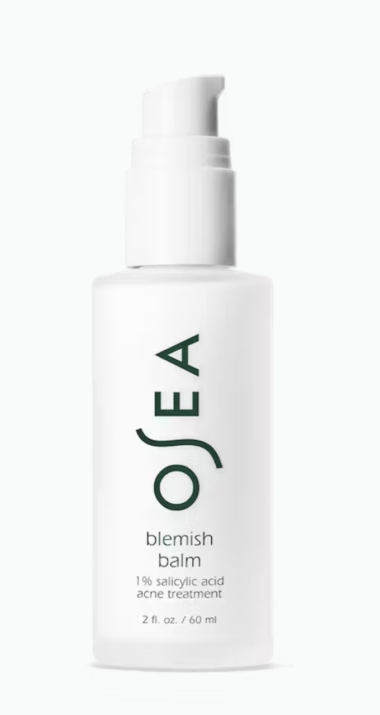
Blemish Balm
Pure magic for problem skin. This lightweight daily formula clears new acne, blackheads and whiteheads, and prevents them from coming back.
Frequently Asked Questions
What are the top facial cleansers recommended for managing menopausal acne?
Menopausal acne can be a frustrating issue, but there are several facial cleansers that can help manage it. Look for cleansers that contain salicylic acid or benzoyl peroxide, as these ingredients can help unclog pores and reduce inflammation. Some popular options include.
Which skincare products are specifically designed for the needs of menopausal skin?
As women age and go through menopause, their skin undergoes significant changes. To address these changes, many skincare brands have developed products specifically designed for menopausal skin. Look for products that contain ingredients like hyaluronic acid, retinol, and niacinamide, which can help improve skin texture, reduce fine lines and wrinkles, and boost hydration levels.
What body washes are effective for skin changes during menopause?
Menopause can cause a variety of skin changes, including dryness, itchiness, and irritation. To combat these issues, look for body washes that are gentle and hydrating. Avoid products that contain harsh chemicals or fragrances, as these can further irritate the skin.
Are there any creams with phytoestrogens that benefit menopausal skin?
Phytoestrogens are plant-based compounds that mimic the effects of estrogen in the body. Some studies have suggested that creams containing phytoestrogens may help improve skin elasticity and reduce the appearance of fine lines and wrinkles. However, more research is needed to confirm these benefits. If you’re interested in trying a cream with phytoestrogens, look for products that contain soy or red clover extract.
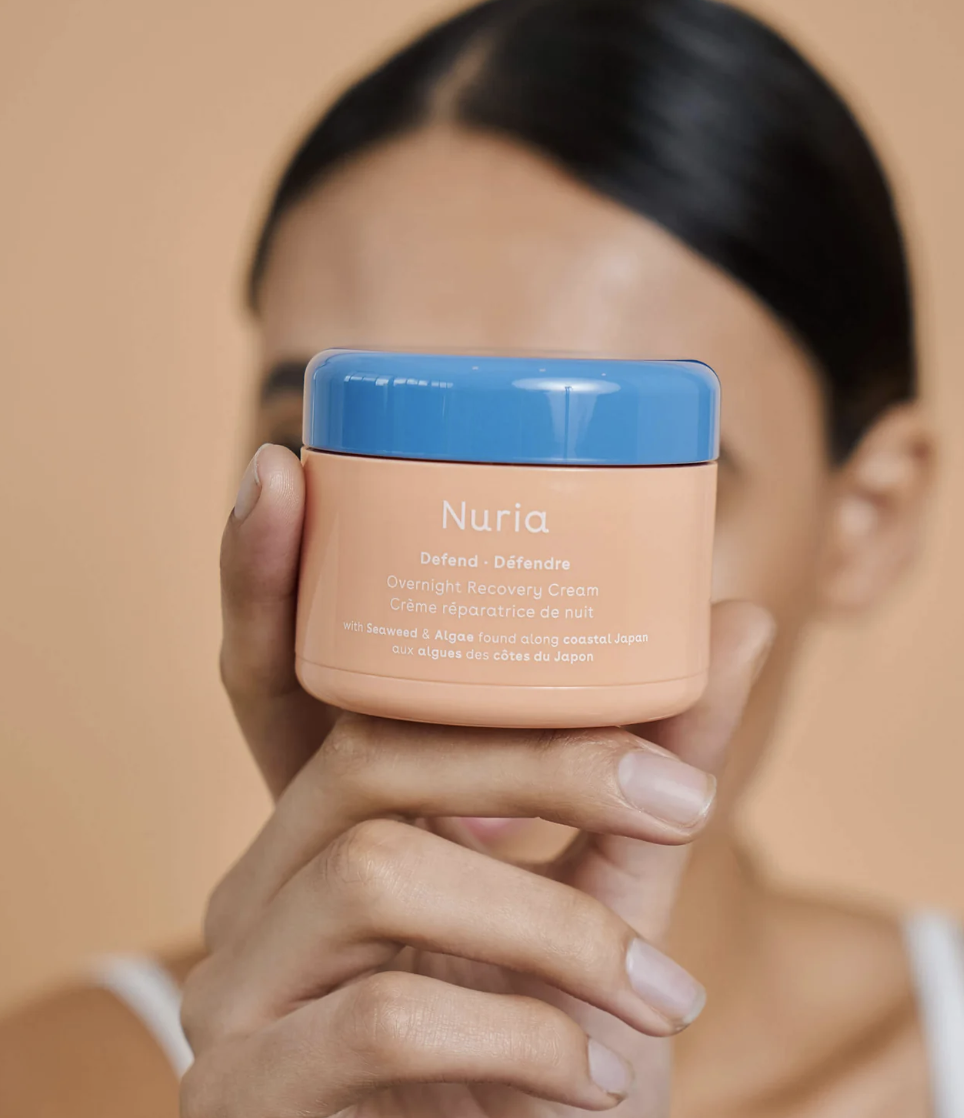
Defend Overnight Recovery Cream
Seaweed and Brown Algae work while you sleep to repair damage so you wake up with a visibly smoother and more radiant looking complexion.
How should one address the issue of increased dryness in skin during menopause?
Dry skin is a common issue during menopause, but there are several steps you can take to address it. First, make sure you’re drinking plenty of water to stay hydrated from the inside out. Additionally, look for skincare products that contain ingredients like hyaluronic acid, glycerin, and ceramides, which can help boost hydration levels in the skin. Finally, avoid hot showers and baths, as these can strip the skin of its natural oils and exacerbate dryness.
What are the most effective hydration techniques for skin affected by menopause?
In addition to using hydrating skincare products, there are several other techniques you can use to keep your skin hydrated during menopause. First, consider investing in a humidifier, which can help add moisture to the air and prevent your skin from drying out. Additionally, try to avoid spending too much time in dry environments, such as air-conditioned offices or heated homes. Finally, make sure you’re eating a healthy, balanced diet that includes plenty of fruits and vegetables, which can help improve skin hydration levels from the inside out.